
South Canterbury
A Landscape-Led New City Quarter.
Location: Canterbury, Kent, UK
Client: GummerLeathes
Year: on-going
Site Area: 232.9 hectares
A Landscape-Led Vision for a New Community
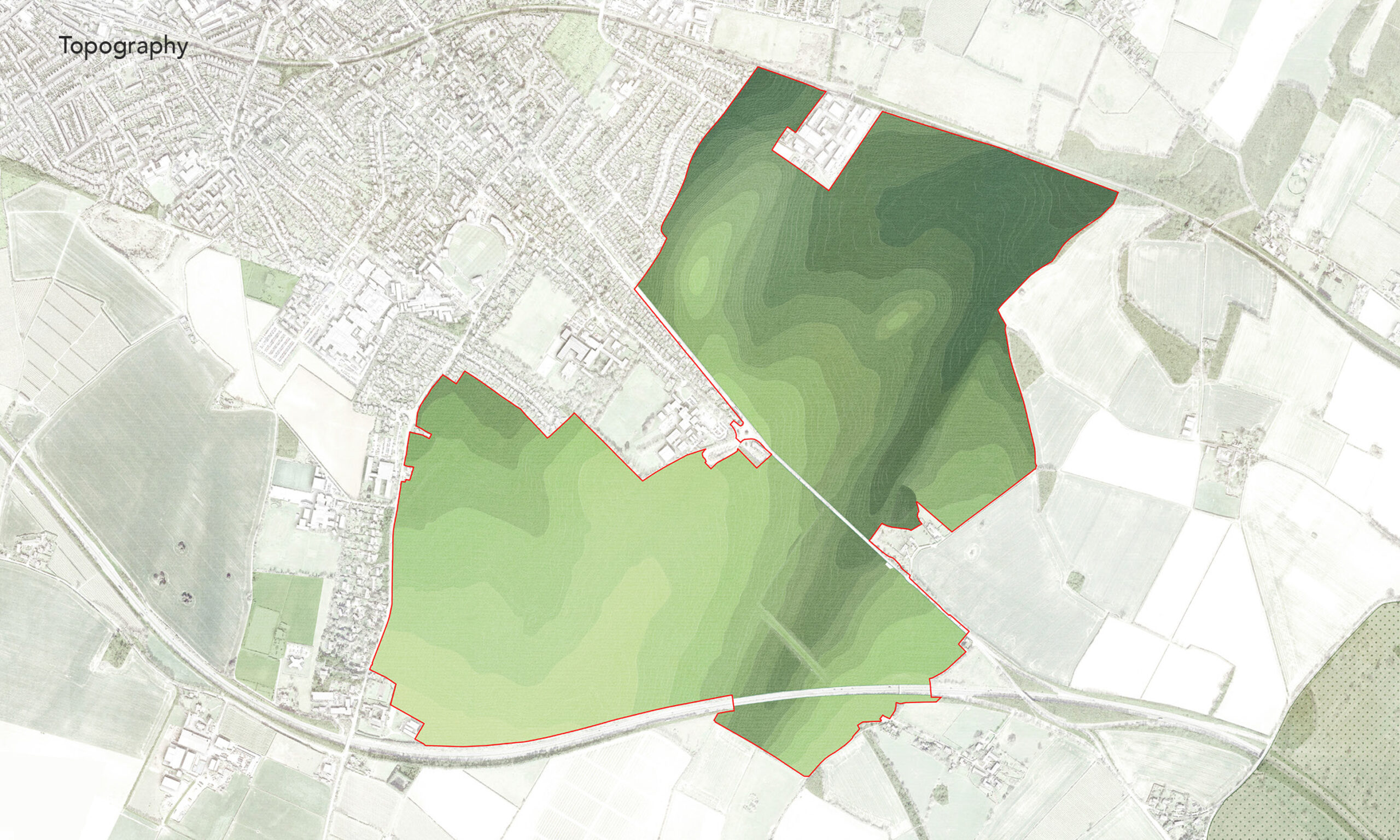
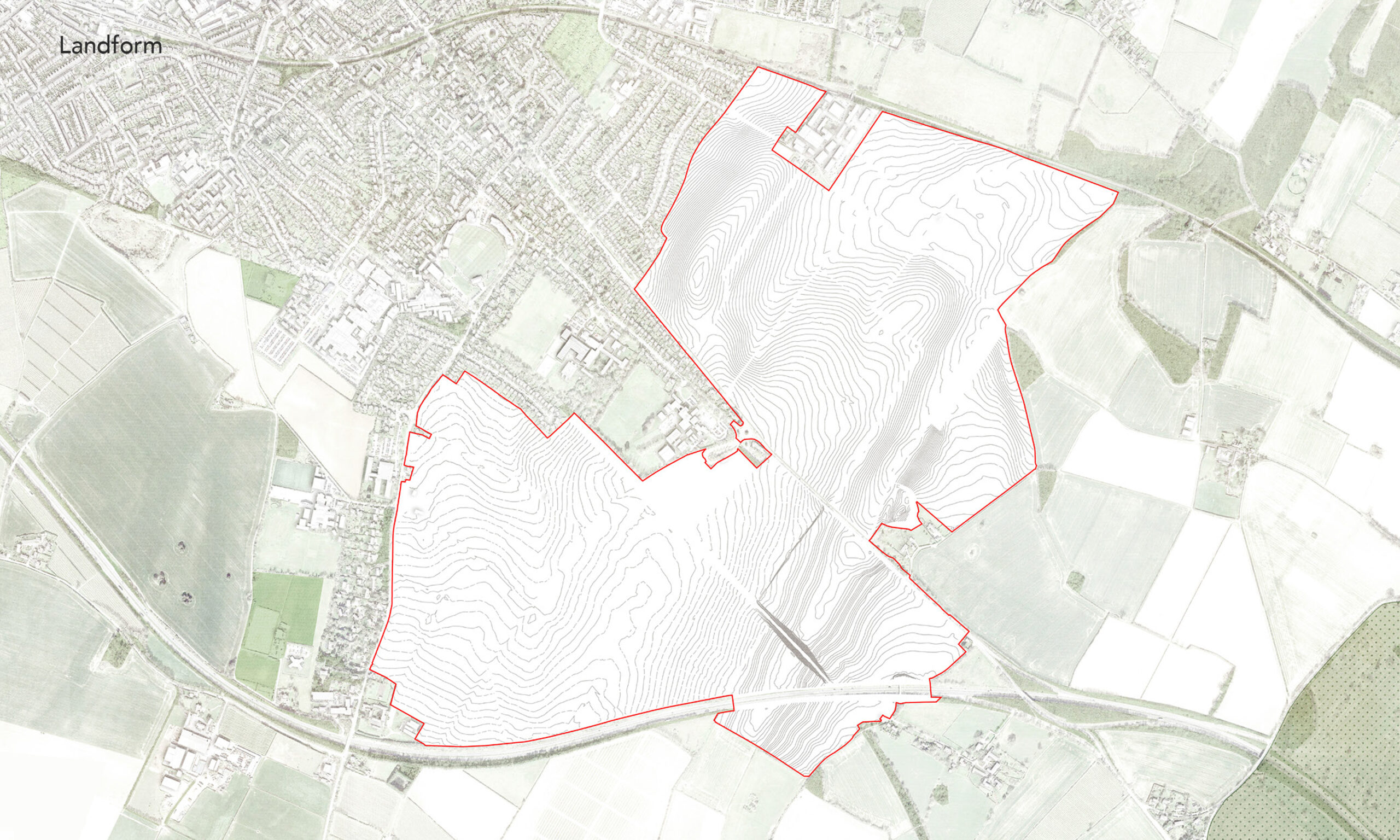
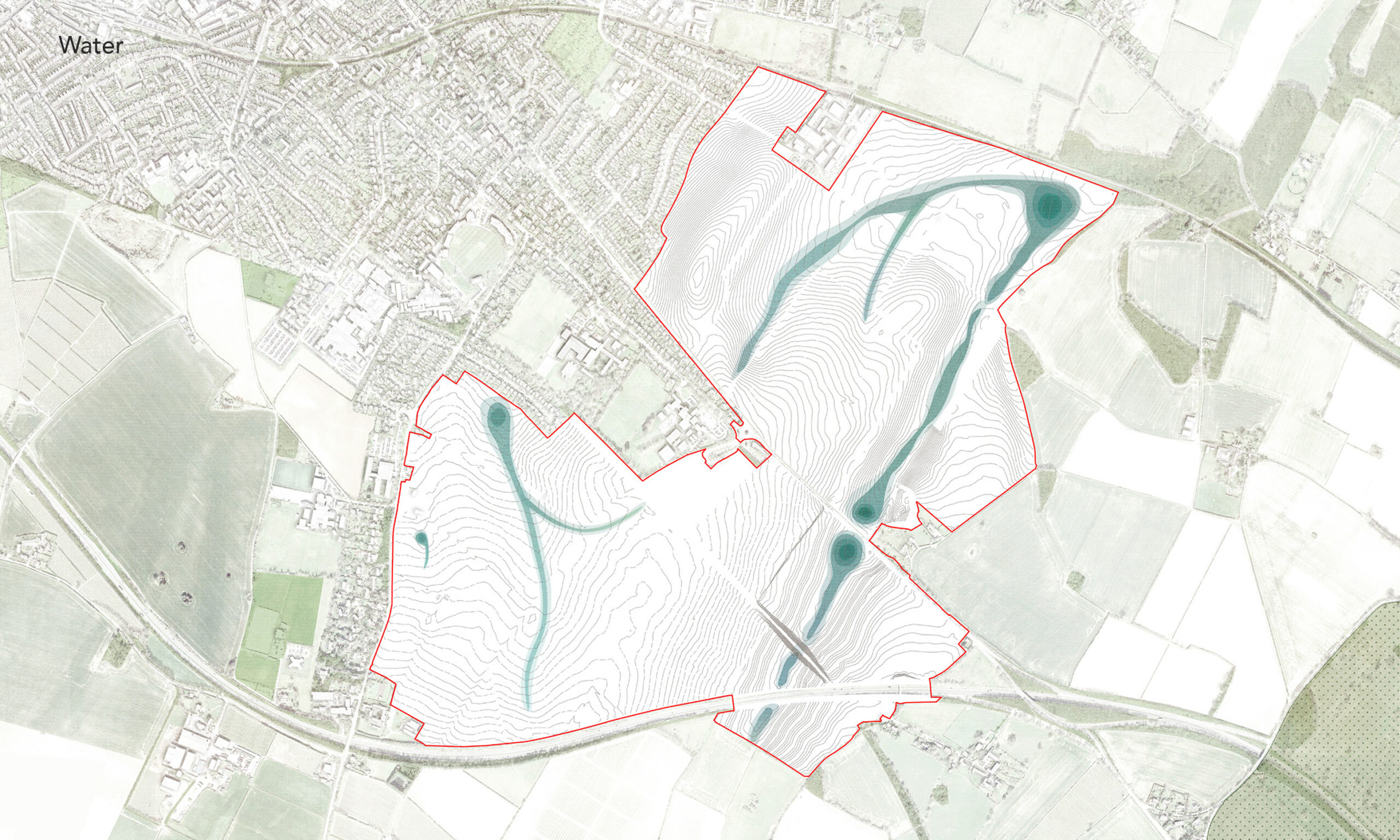
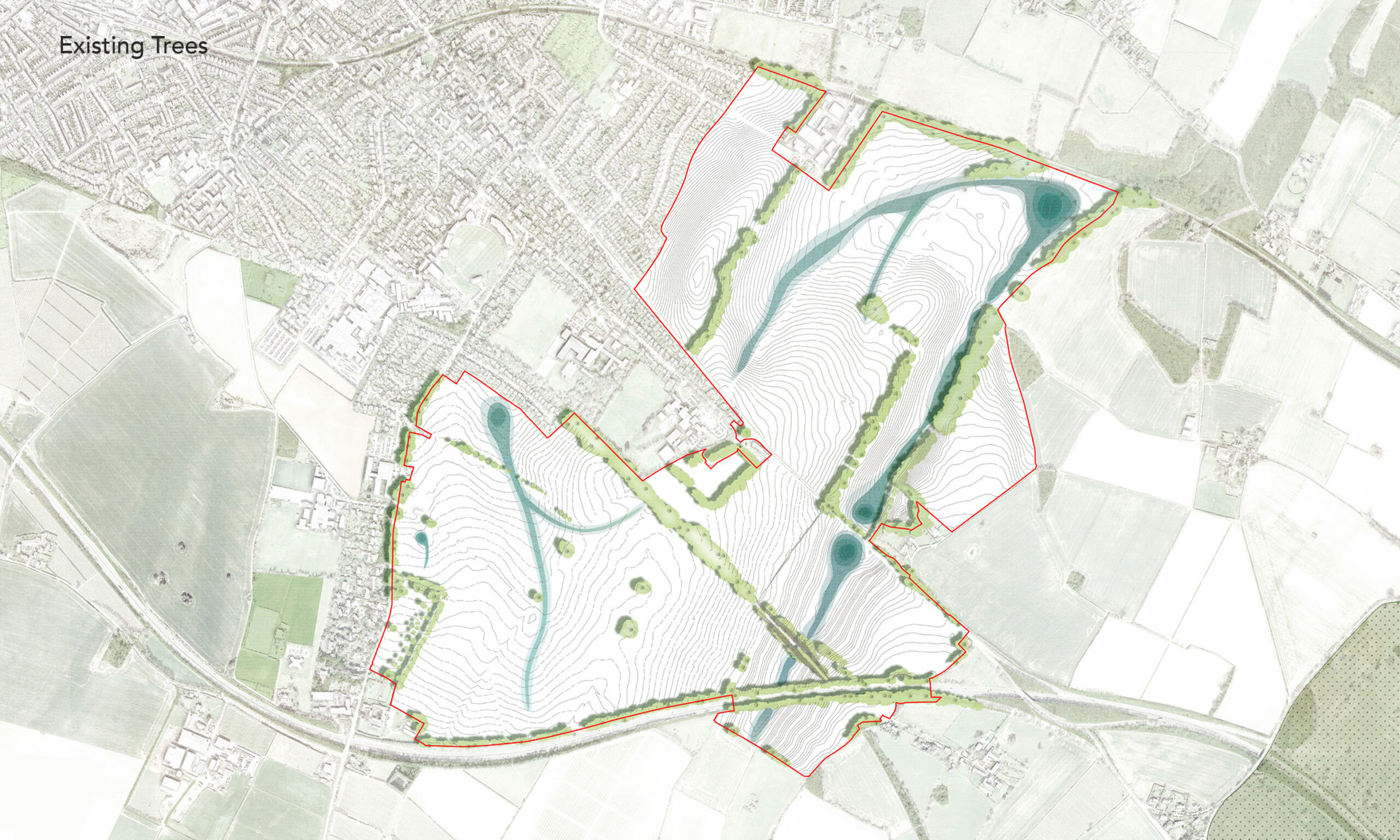
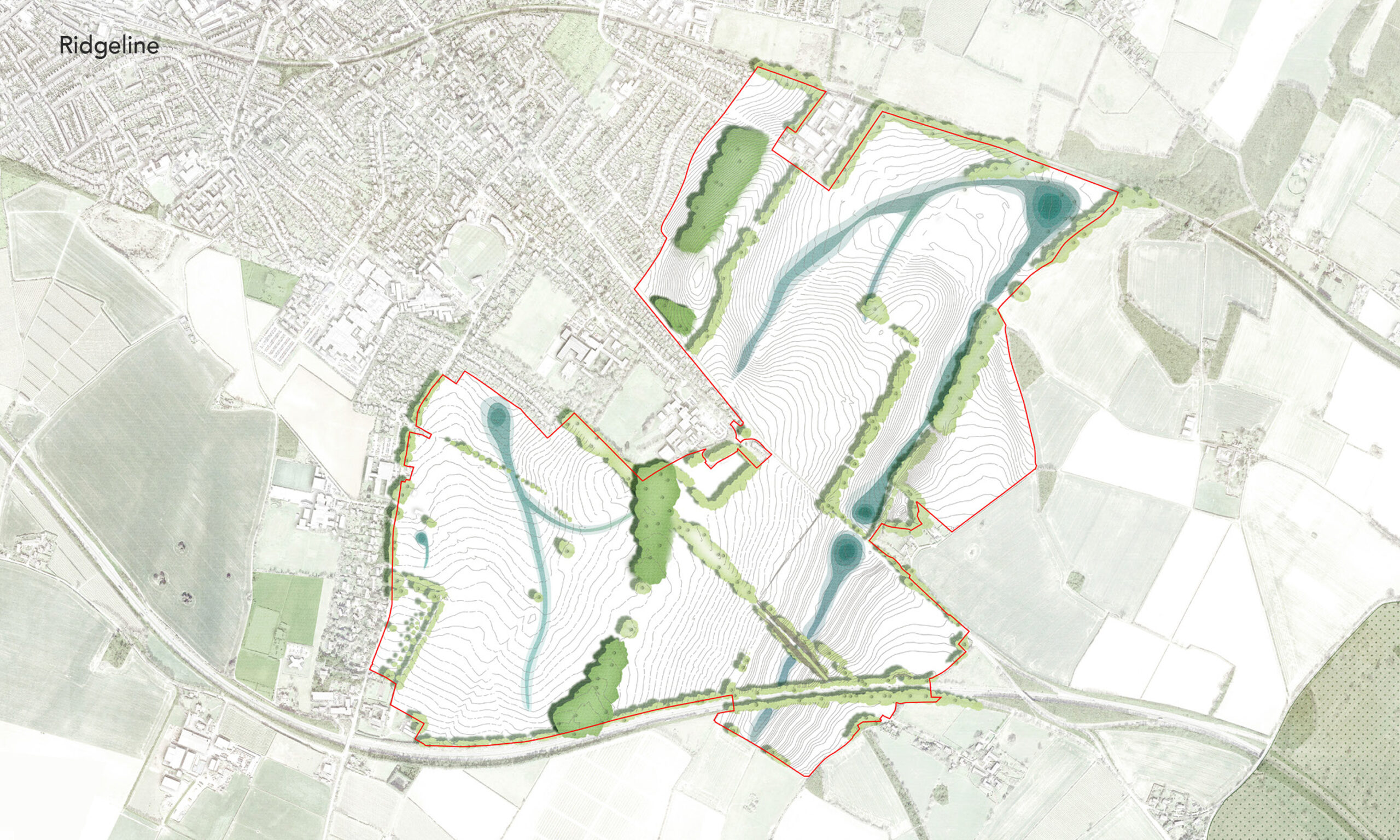
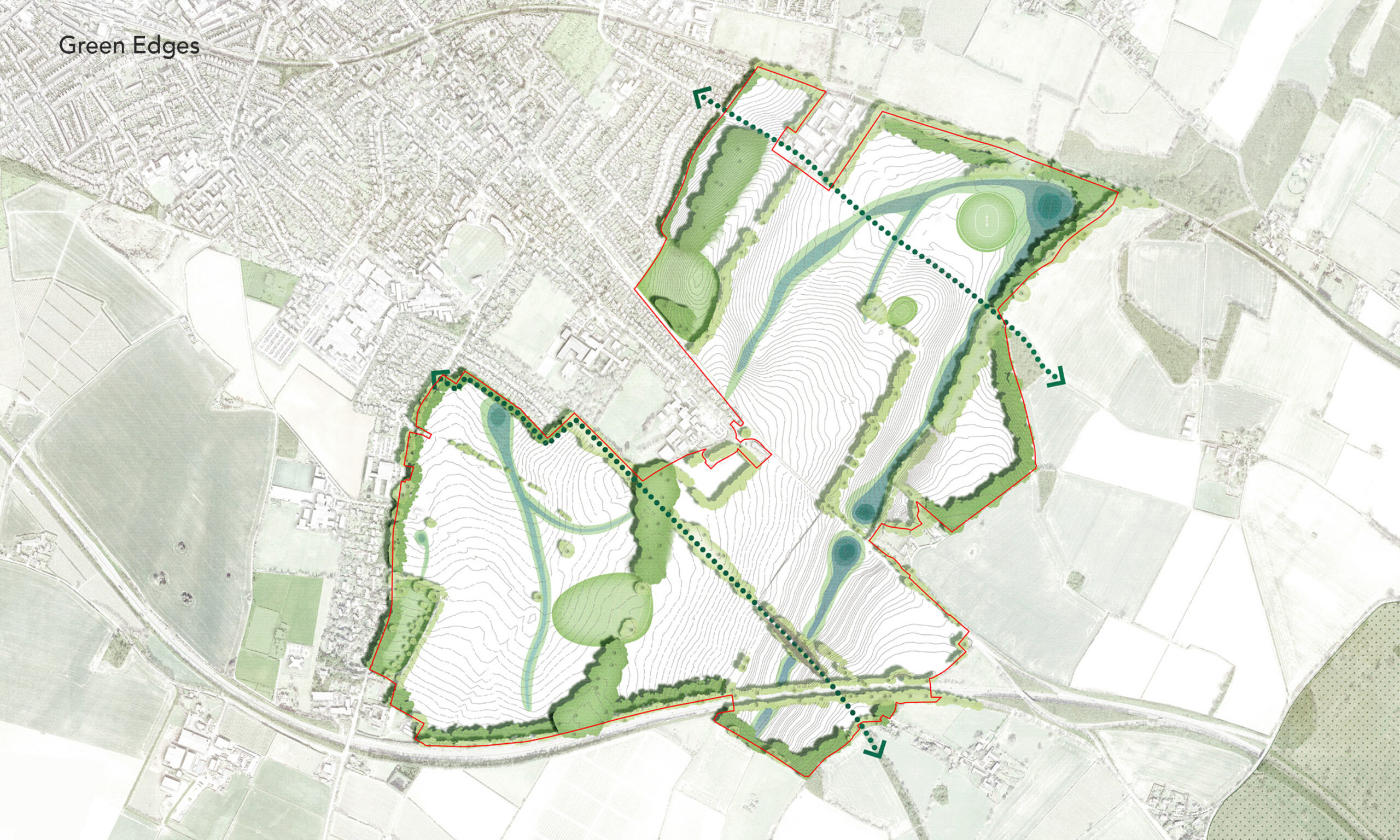
URBAN was commissioned by GummerLeathes to develop a landscape-led vision and masterplanning framework for South Canterbury, a major growth area on the edge of the city. From the outset, landscape was positioned as the primary structuring element—shaping the identity, form, and long-term resilience of the emerging community. The initial vision established a clear spatial framework rooted in the existing landscape character, topography, hydrology, and ecological networks, ensuring that growth responds to place rather than overriding it. This early work set out how green infrastructure, movement, and neighbourhood structure could work together to support healthy living, biodiversity, and climate resilience over the long term.
From Vision to Masterplan
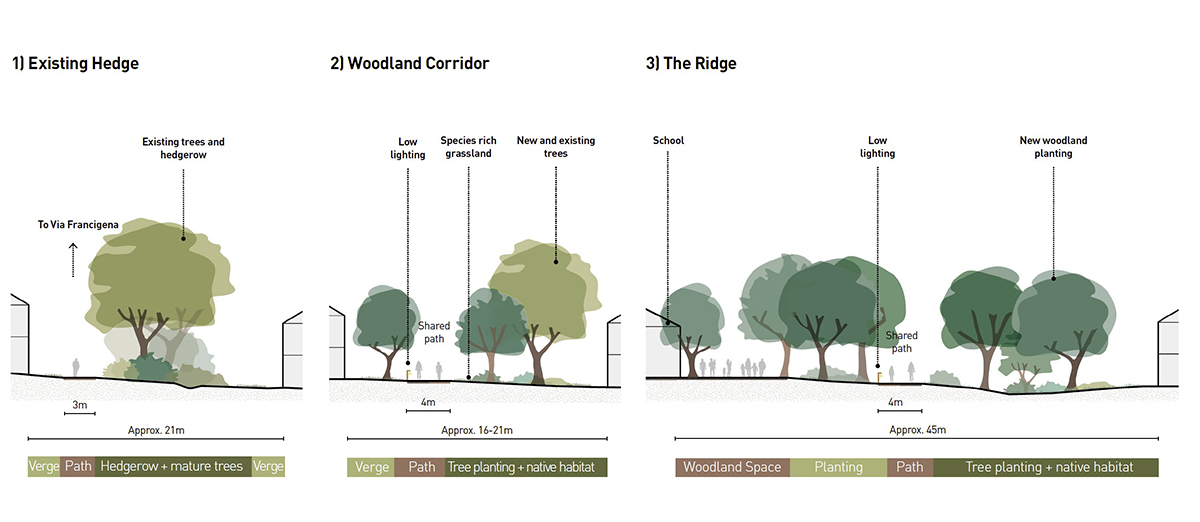
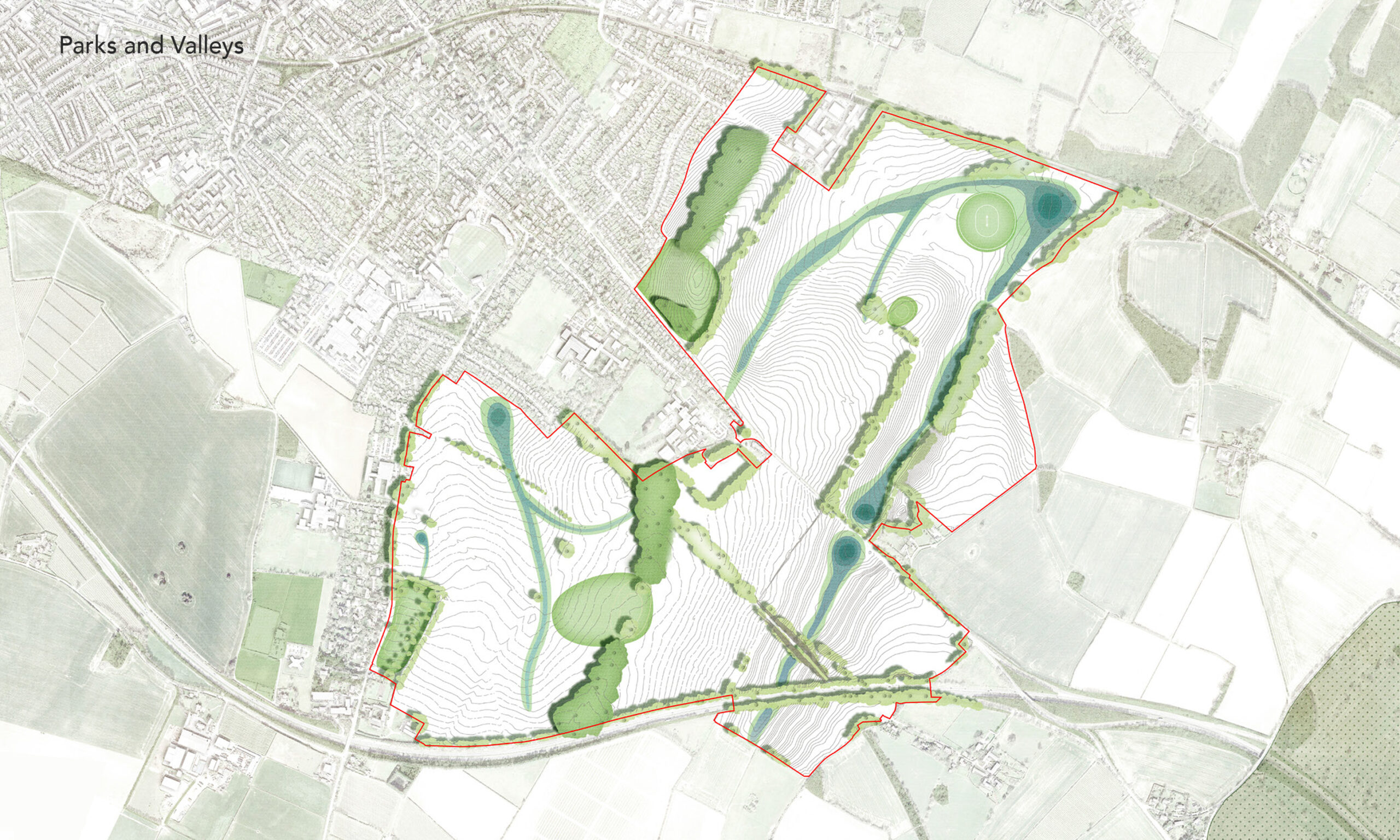
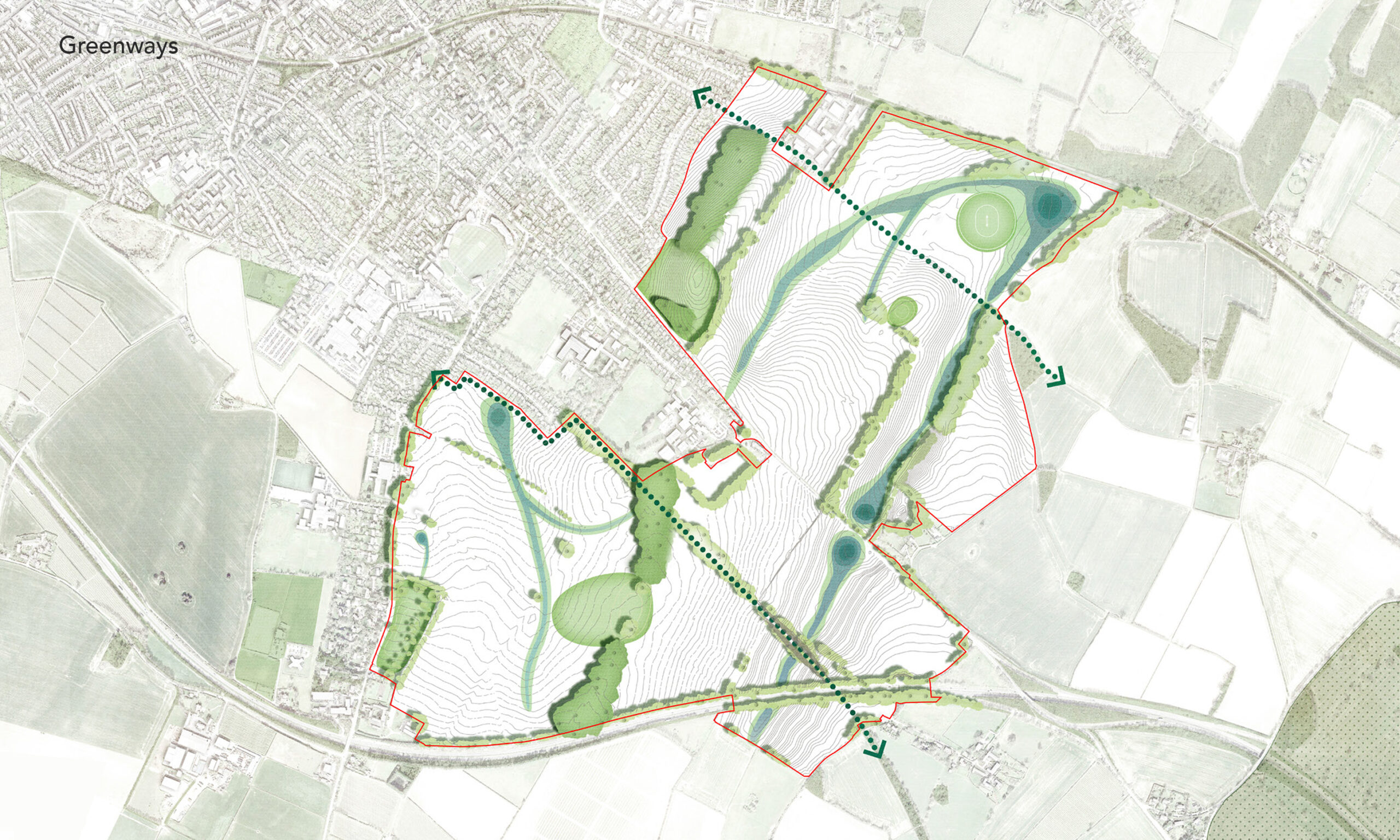
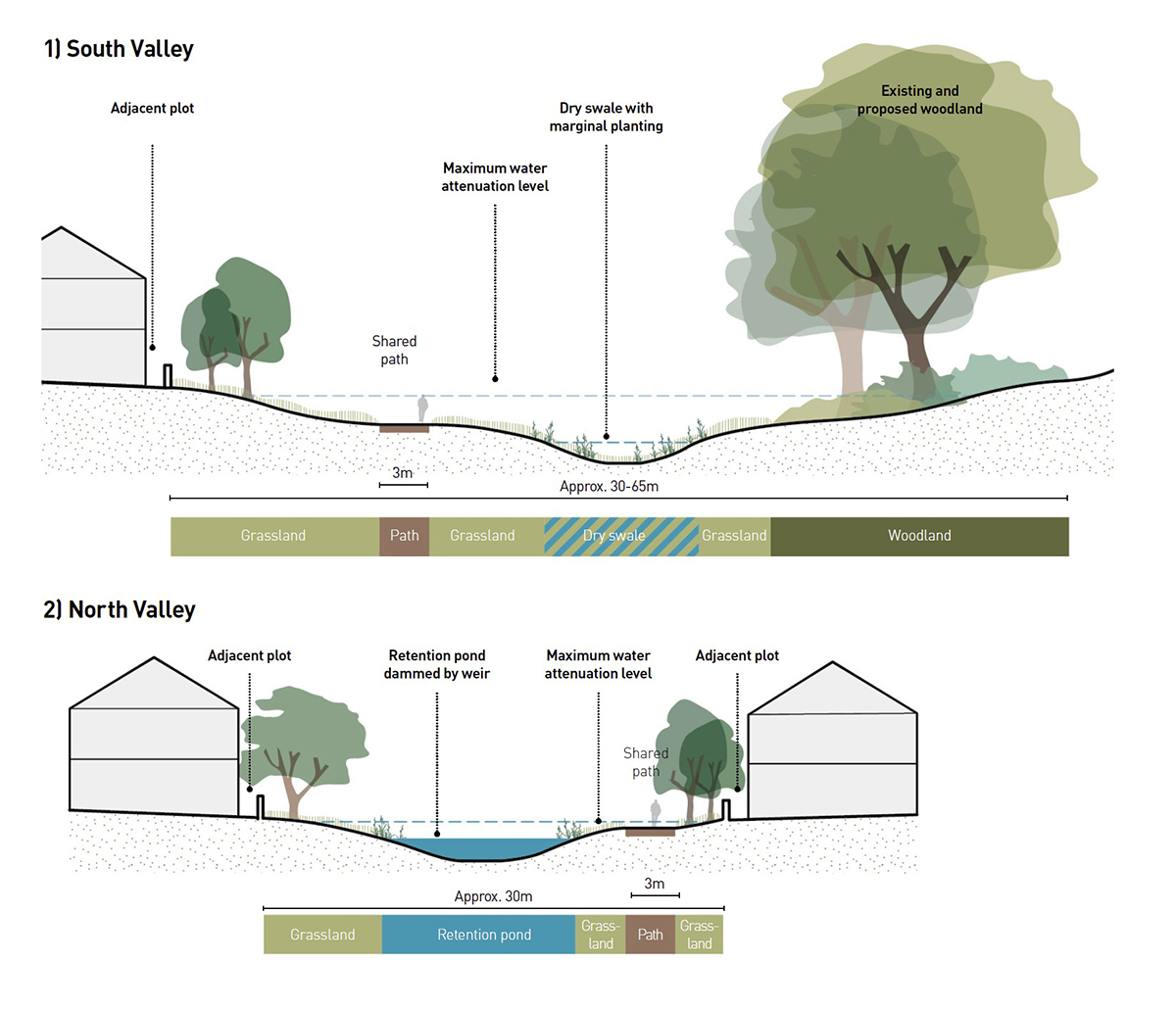
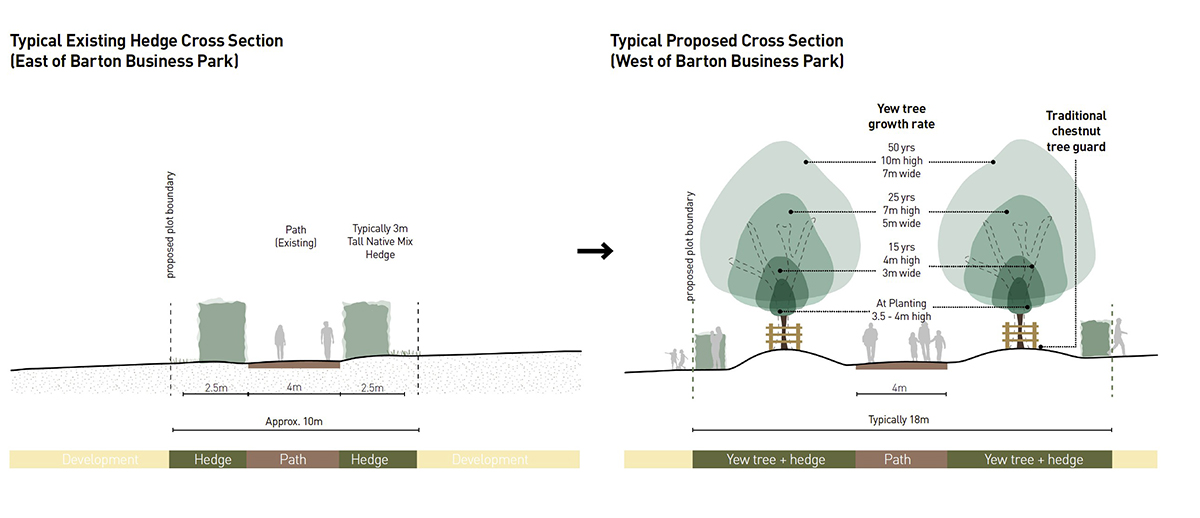
Building on the vision, URBAN began developing the masterplan, translating landscape principles into a coherent and legible spatial structure. Green corridors, open spaces, and blue infrastructure were used to define neighbourhoods, guide movement, and create strong connections to the surrounding countryside and existing settlements. The masterplan establishes a hierarchy of landscapes—from strategic green infrastructure and ecological networks to local parks, streets, and everyday spaces—ensuring that nature is embedded at every scale. This approach supports walkability, access to nature, and a strong sense of place, while also providing the flexibility needed to respond to future change. Landscape is not treated as residual space, but as the connective tissue that holds the masterplan together.
Frameworks, Phasing, and Design Codes
The project is ongoing, with URBAN revising the landscape framework, developing Phase 1, and preparing landscape-led design codes to guide delivery. These tools are critical in translating strategic intent into implementable guidance, ensuring that the quality and coherence of the landscape vision is carried through into detailed design and construction. The design codes articulate clear principles for streets, public spaces, green infrastructure, and the relationship between built form and landscape—providing certainty for delivery while allowing architectural diversity. By embedding landscape thinking into phasing and coding, the project establishes a robust foundation for long-term stewardship, climate adaptation, and biodiversity enhancement. South Canterbury demonstrates how a landscape-led approach can move seamlessly from vision to masterplan to delivery—shaping growth in a way that is resilient, legible, and deeply rooted in place.