
SEEPark Pathfinder Business Case
Reframing Growth Through Landscape.
Location: South Essex, UK
Client: Association of South Essex Local Authorities (ASELA)
Year: 2021 – ongoing
Length: 23,000 hectares
A Strategic Vision for South Essex
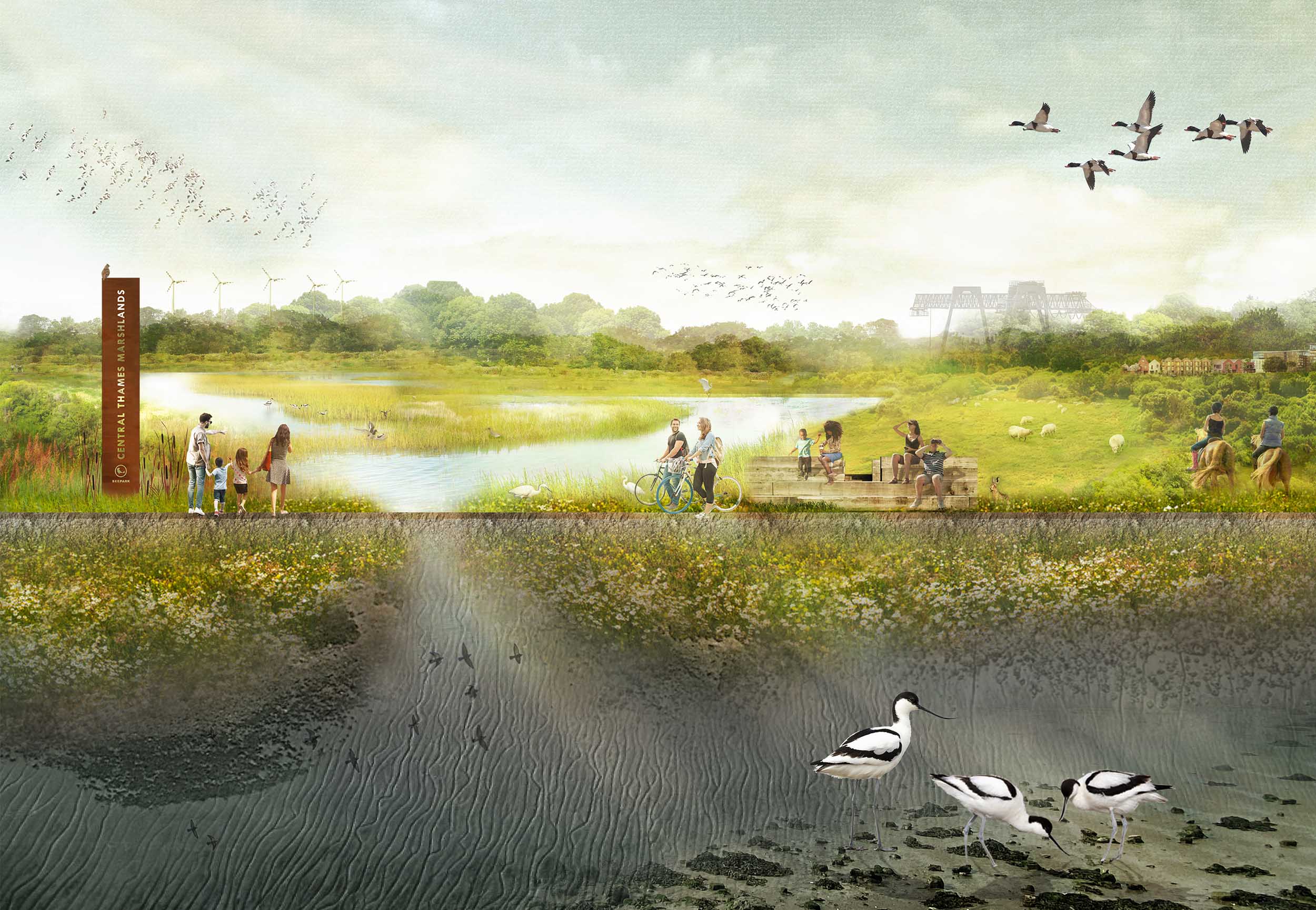
The SEEPark Pathfinder Business Case was developed in close collaboration with the Association of South Essex Local Authorities (ASELA), now South Essex Councils (SEC), to translate the bold vision of the South Essex Green and Blue Infrastructure Study into a clear, investable proposition. At its heart, the Business Case reframes landscape not as an amenity or afterthought, but as essential infrastructure—capable of shaping health, prosperity, climate resilience, and identity at a regional scale. Covering over 23,000 hectares and aligning with national ambitions to protect 30% of England’s land by 2030, SEEPark proposes a new way of planning growth: one that works with natural systems, restores ecosystems, and delivers measurable social, environmental, and economic value.
From Vision to Delivery: The Pathfinder Approach
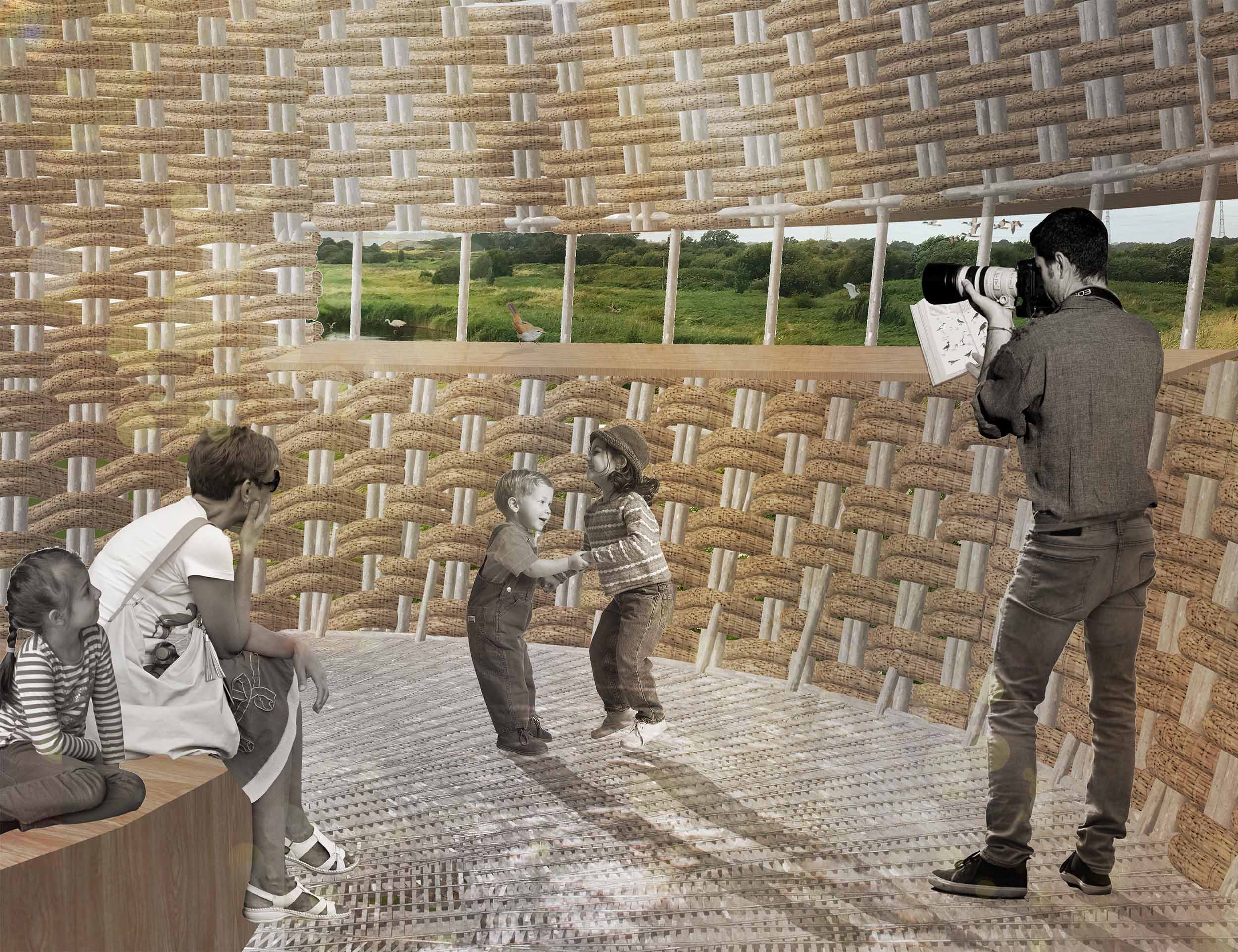
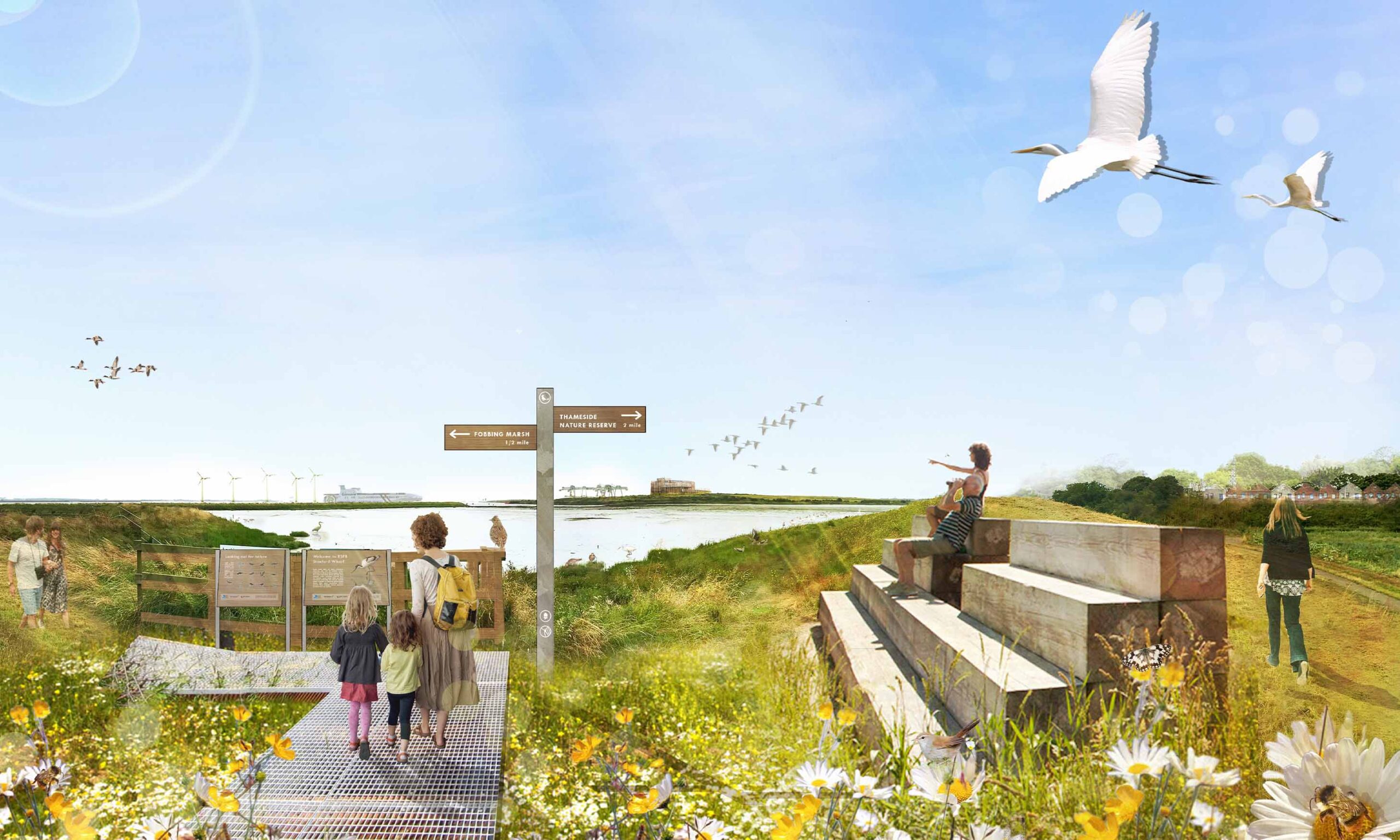
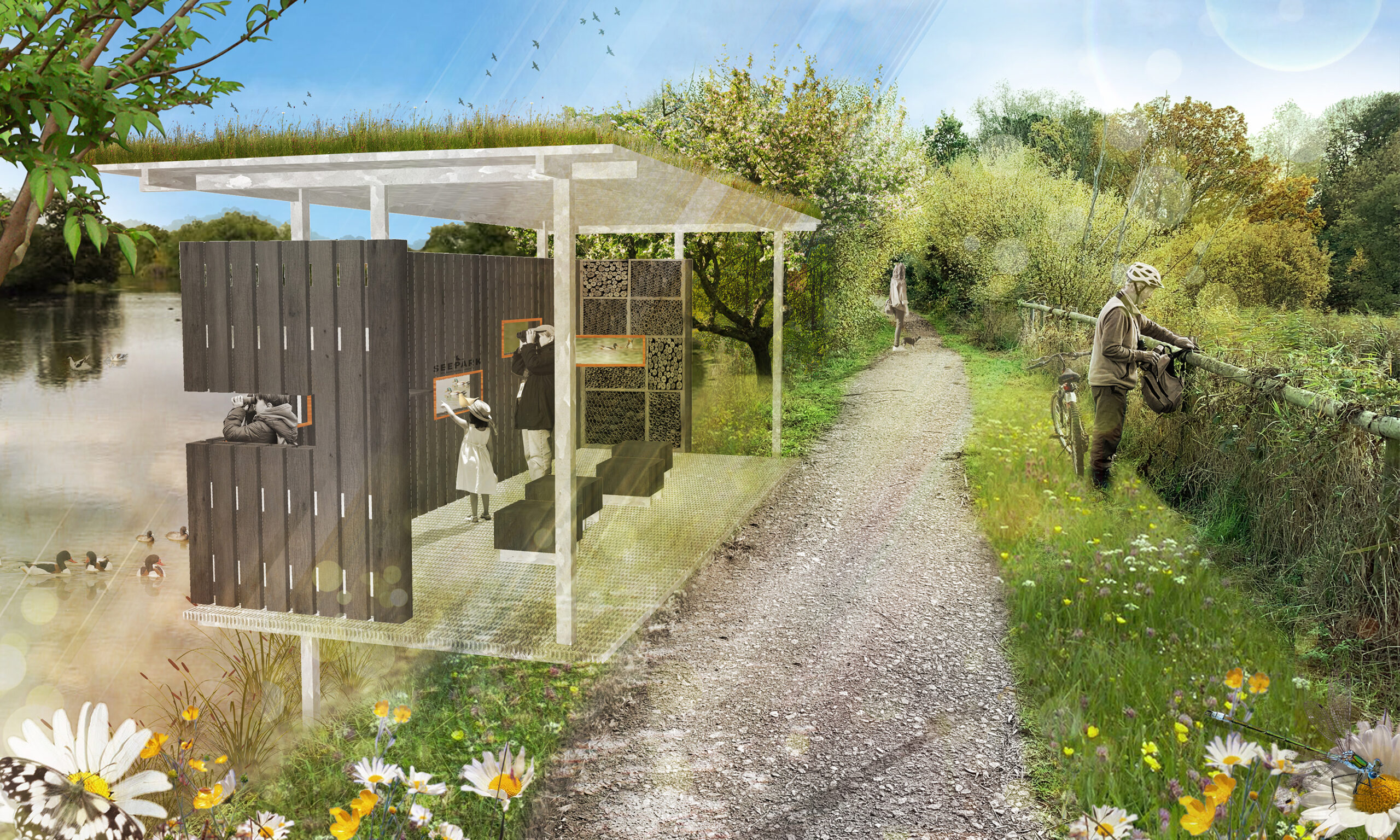
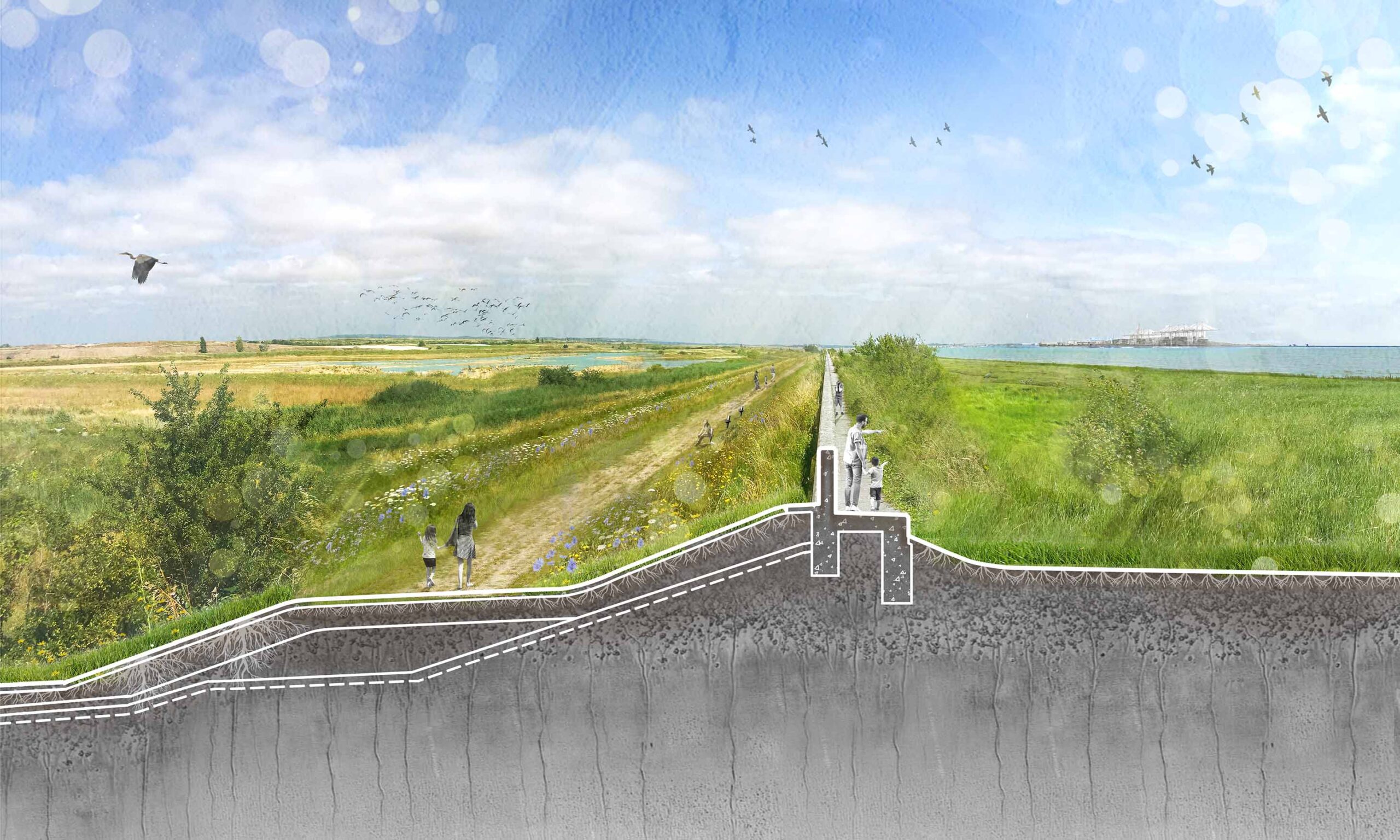
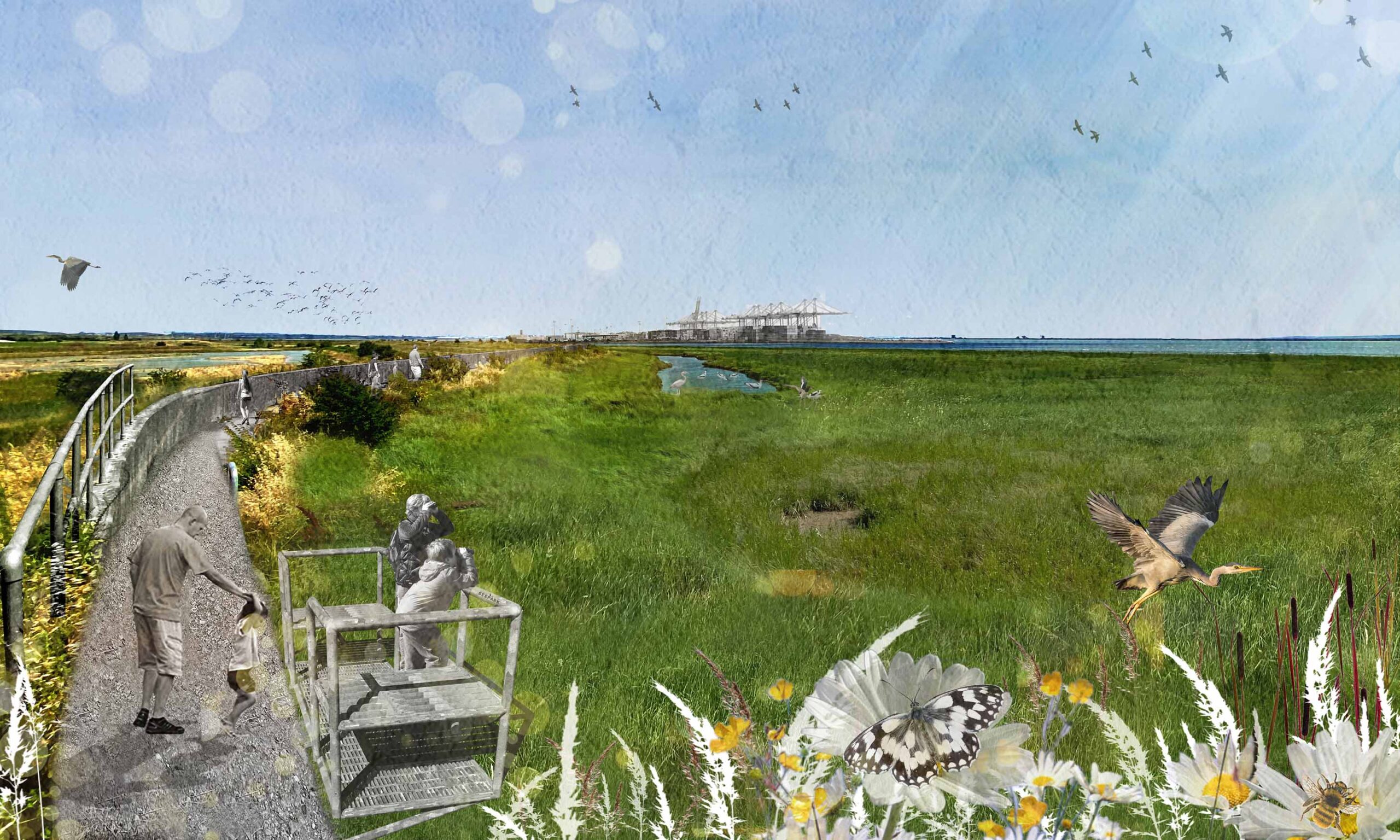
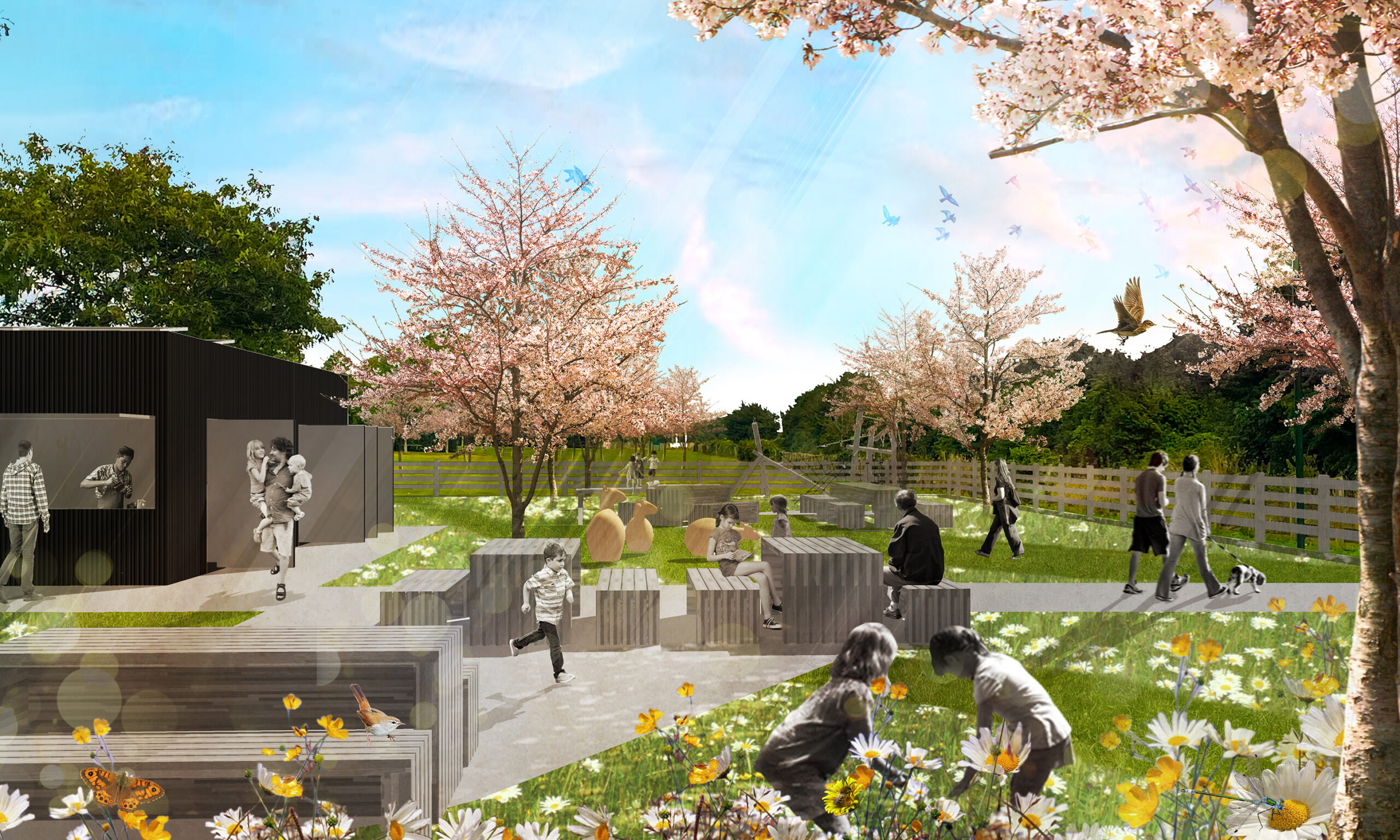
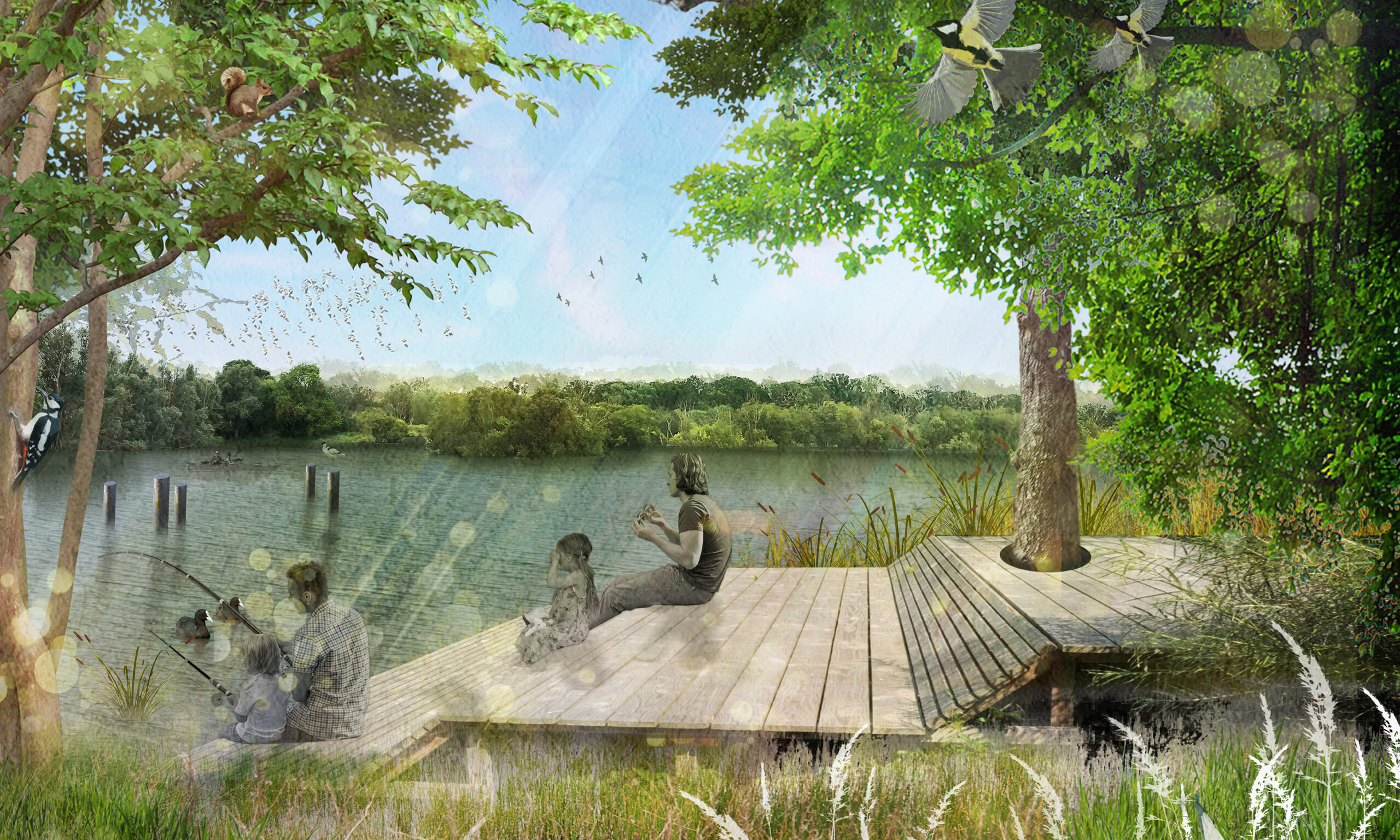
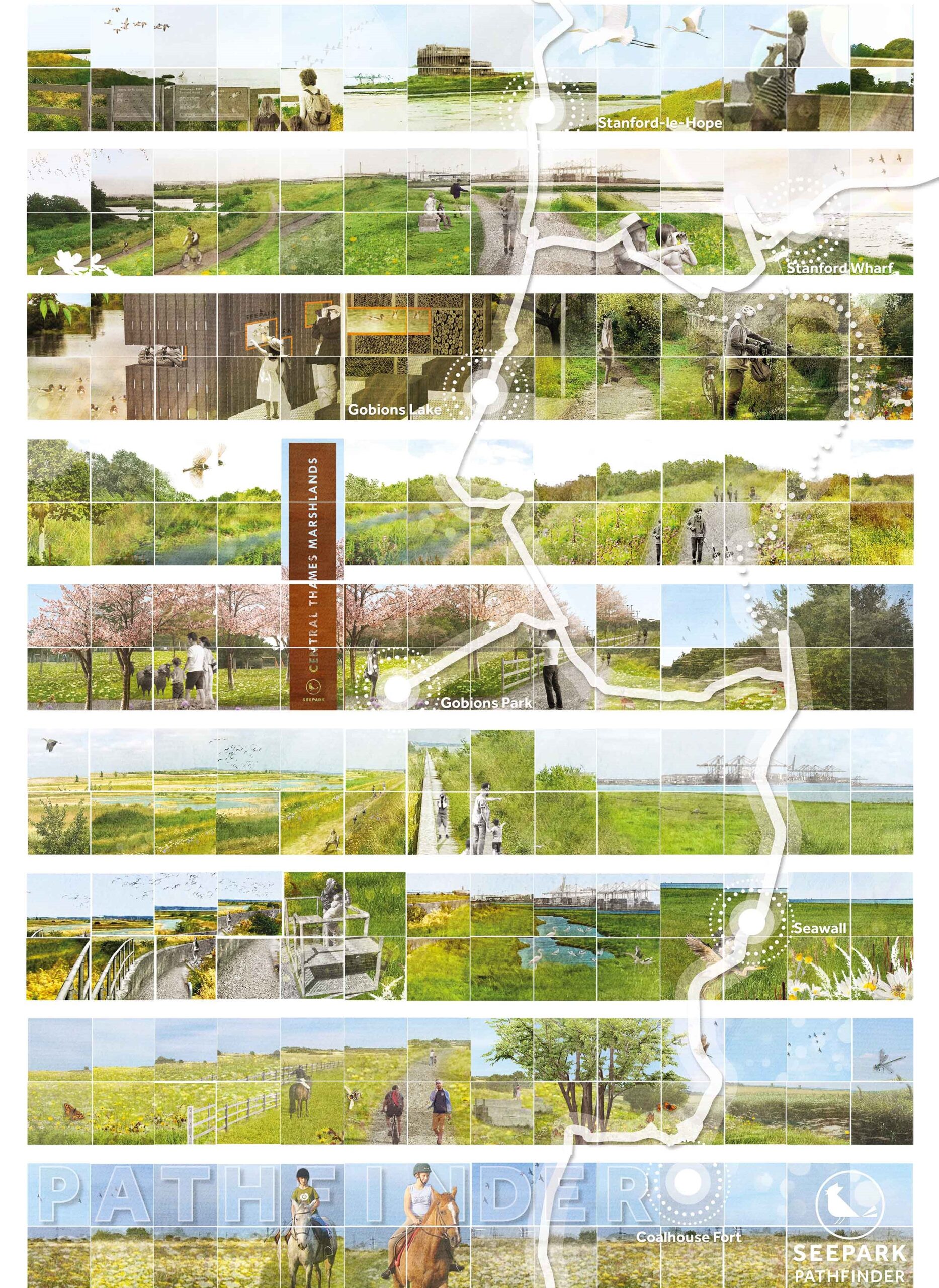
The Central Thames Marshlands Pathfinder sits at the heart of this strategy, acting as the first phase of implementation and a tangible demonstration of SEEPark’s potential. Working with the client team, URBAN helped define a clear vision, delivery framework, and phasing plan that could build momentum quickly while laying the groundwork for long-term transformation. The Pathfinder focuses on improving access, connectivity, and inclusion across an extraordinary but fragmented estuarine landscape—linking communities to nature, heritage sites, and the Thames waterfront through a coherent network of paths, amenities, and interpretation. At the same time, it addresses climate adaptation, flood mitigation, biodiversity recovery, and public health, ensuring that investment delivers multiple benefits rather than single-purpose outcomes.
Building the Case for Investment and Long-Term Value
A core component of the Business Case was the development of a robust investment narrative, aligned with HM Treasury Green Book principles and emerging models of green finance. This included exploring blended funding approaches, ecosystem services valuation, biodiversity net gain, carbon sequestration, and long-term stewardship models. The Business Case positions SEEPark as a scalable, investable landscape—one capable of attracting public, private, and institutional funding while delivering real returns for communities, nature, and the regional economy. Above all, the Pathfinder demonstrates how landscape-led thinking can turn vulnerable, overlooked places into assets of national significance—offering a hopeful, practical model for how we might shape a more resilient and generous future through land.